

Swift Phone Virus Repair in Murray Bridge – Get Expert Mobile Virus Removal Now!
Mobile malware can silently compromise personal data, drain battery life, and slow everyday apps—a phone virus is any malicious software that runs unwanted processes or hijacks functions on a smartphone. This article explains how to recognise infection signs, the practical steps to remove malware, and the best ways to protect your device going forward, with local options for Murray Bridge residents. You’ll learn how Android and iPhone symptoms differ, when to try safe self-checks, and when it’s best to get professional help to secure your accounts and recover your data. We’ll guide you through a clear process covering detection, quarantine, backup, and optimisation, plus device-specific approaches. You’ll also find practical prevention tips and contact options for a trusted local provider, so you can act quickly if you suspect an infection. Read on to identify symptoms, follow a step-by-step removal plan, and discover how local support and remote assistance can speed up your recovery.
How Can You Tell If Your Phone Has a Virus in Murray Bridge?
A phone virus manifests as unusual behaviour caused by malicious background processes that consume CPU, network, and battery resources and can expose personal data. Detection relies on measuring symptoms (performance, battery, data spikes) and checking for unfamiliar apps or persistent pop-ups; early identification reduces the risk to accounts and stored files. This section lists concrete signs you can check at home, explains platform differences, and helps you decide when to move from self-help to professional diagnosis. If symptoms persist after basic checks, a technician can confirm infection with targeted scans and recommend secure next steps to protect accounts and backups. Local diagnostic options in Murray Bridge make it practical to get a rapid, expert opinion without guessing.
What Are the Common Signs of a Smartphone Virus?
A smartphone virus typically reveals itself through resource anomalies and visible symptoms that users can verify quickly. Watch for sustained slowdowns or frequent app crashes that occur even after a restart, which indicate hidden processes consuming CPU or memory. Unexpected, intrusive pop-up ads or new apps you did not install often signal adware or unwanted packages running in the background. Noticeable spikes in data usage or a sudden drop in battery life can mean malware is transmitting data or continually running network tasks. If several of these signs appear together, treat the device as potentially compromised and prioritise containment to prevent account exposure and data loss.
How Do Android and iPhone Virus Symptoms Differ?
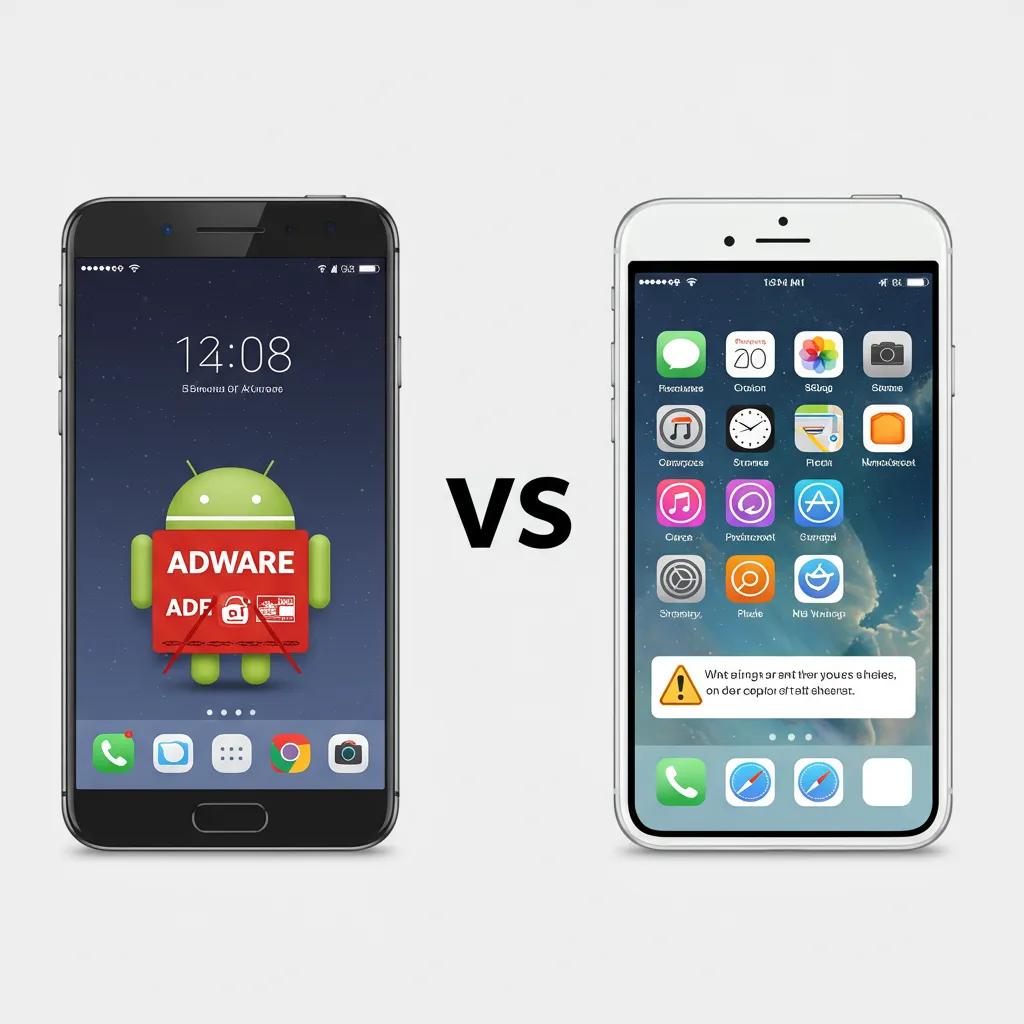
Android devices more commonly show infections via sideloaded or unknown APKs, aggressive adware, and unfamiliar services due to the platform’s more open app distribution paths. Users may see unknown apps listed in settings, persistent overlays, or browsers redirected to dubious sites; these are classic Android attack vectors that require app audits and sometimes firmware-level fixes. iPhone issues are less often classic “viruses” but still occur through phishing, malicious configuration profiles, or compromised accounts; symptoms include unusual prompts to install profiles, repeated credential requests, or compromised iCloud behaviour. Understanding these platform distinctions helps you choose the right diagnostic checks and determine whether remote troubleshooting is feasible or a local technician should inspect the device.
Can Virus Symptoms Affect Phone Performance and Battery Life?
Malware affects performance because hidden services and background tasks increase CPU cycles and network activity, which in turn raises battery use and causes thermal stress on components. For example, cryptomining or data-exfiltrating processes run continuously and push battery drain and data consumption beyond normal levels for typical app use. Distinguishing malware from aging hardware involves checking task managers, recent app installs, and network activity logs; hardware aging usually shows a gradual decline rather than sudden spikes tied to specific apps or times. If battery and performance issues are linked to unknown processes or persist after updates and safe-mode checks, escalate to a full diagnostic scan to identify and remove malicious code.
For hands-on confirmation and a professional diagnosis in Murray Bridge, Bizup‘s local technicians can validate suspicious symptoms and recommend a secure removal path. Their diagnostic workflow helps confirm whether problems stem from malware, misconfigured apps, or hardware issues, and provides a clear next step if professional removal is needed.
Why Choose Bizup for Phone Virus Removal Services in Murray Bridge?
Phone virus removal requires a blend of diagnostic skill, secure handling of personal data, and clear post-repair assurances; Bizup is here to deliver that combination for our regional customers. Bizup emphasises local accessibility across South Australia and New South Wales, offers remote support for software-only cases, and stands by our repairs with a commitment to quality that provides post-repair reassurance. Our technicians focus on reliable, cost-effective repairs with quick turnaround, all while prioritising data protection and minimising unnecessary replacements. For Murray Bridge residents, choosing a provider that pairs local presence with remote diagnostic capability reduces downtime and helps ensure sensitive data is handled correctly during remediation.
What Makes Bizup’s Virus Repair Service Reliable and Cost-Effective?
Reliability comes from a standardised diagnostic-to-repair workflow that isolates threats, removes malicious components, and verifies device integrity before returning it to you. We aim to provide excellent value by offering accurate diagnostics that avoid unnecessary work, providing remote solutions for software-only problems, and recommending targeted interventions rather than full replacements. Bizup’s local technicians apply verified procedures to both Android and iOS platforms and can escalate to firmware-level work only when essential, which helps keep repair times short. You’ll benefit from straightforward advice on whether a remote session will resolve the issue or if an in-person visit is necessary.
Our Commitment to Quality After Your Repair
After your repair, we stand by our work. If any related issues arise following the removal process, we encourage you to get back in touch. This allows our technicians to verify the original fix and apply any necessary follow-up measures. Our commitment to quality underlines our dedication to restoring your device’s functionality reliably.
Who Are Bizup’s Expert Technicians in Murray Bridge?
Bizup’s regional teams are trained to diagnose app and software issues, perform malware scans, and implement secure removal and recovery procedures for smartphones and tablets. Our technicians combine remote diagnostic tools with hands-on experience across a range of Android OEMs and iOS models, prioritising minimal data disruption and secure backups. For customers in Murray Bridge, our local staff provide face-to-face assessments and can escalate complex cases to specialist resources when firmware reflash or deeper recovery is required.
What Is the Step-by-Step Process for Phone Virus Removal at Bizup?
Phone virus removal follows a clear sequence: confirm symptoms, run targeted diagnostics, quarantine and remove malicious components, secure backups, and perform post-removal optimisation. This structured workflow reduces the risk of data loss and ensures your device is returned in a hardened state, ready for normal use. Below are the typical stages you can expect when a technician handles a removal, including who performs each step and estimated timeframes.
What Are the Key Steps in Malware and Virus Removal?
Removal follows containment first, then elimination and verification: quarantine suspicious apps, uninstall or disable malicious services, patch OS components, and re-scan to confirm elimination. In severe cases where core system files are compromised, technicians may recommend a factory restore or firmware reflash, always after discussing data backup and recovery with the customer. Post-removal verification includes repeated scans and monitoring for residual network traffic or unexpected processes. The goal is to ensure the threat is fully eradicated while minimising data loss and restoring normal performance.
How Is Data Backed Up and Protected During Repair?
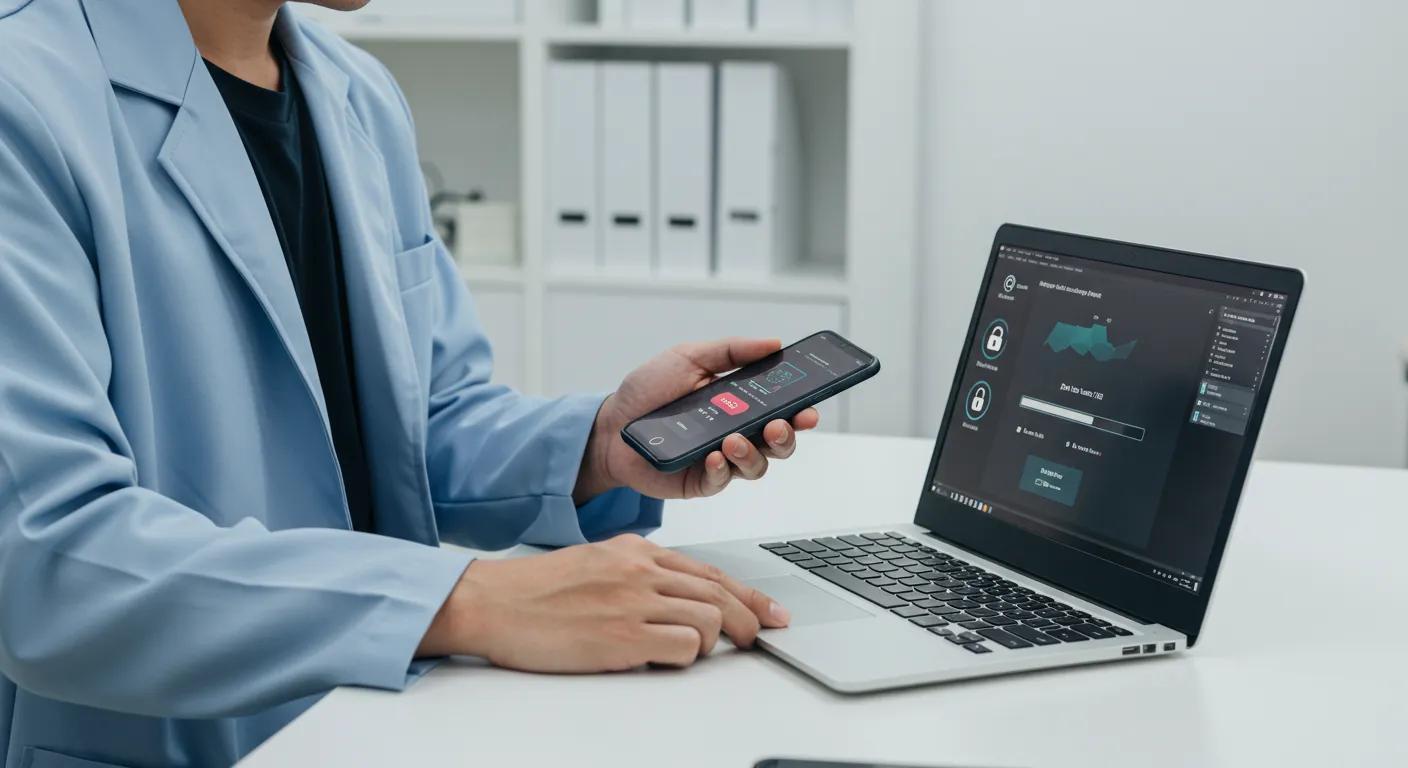
Data protection starts with customer consent and clear backup options; technicians explain cloud and local backup choices and verify that personal accounts are secure before proceeding. Where possible, technicians perform encrypted backups or advise customers to perform their own signed-in backups to ensure credentials remain under their control. If account credentials are suspected as compromised, technicians recommend credential resets and two-factor authentication before restoring backups. Careful backup and restoration practice reduces the risk that malware will be reintroduced during recovery and provides a safety net if deeper repairs become necessary.
What System Optimisations Are Performed After Virus Removal?
After malware removal, optimisation focuses on updating the OS and apps, tightening permission settings, and removing unused applications to reduce attack surface and improve performance. Technicians apply recommended security settings, review account authentication methods, and advise on reputable security apps if appropriate for the platform. Performance tuning includes clearing caches, verifying background refresh settings, and running final diagnostics to confirm normal battery and data profiles. Follow-up checks and guidance help users maintain device health and reduce the chance of reinfection.
Identify and Remove Smartphone Viruses in Murray Bridge
Device platform differences require tailored approaches: Android remediation often centres on app audits, APK removal, and firmware considerations, while iPhone work commonly addresses profiles, account recovery, and iOS restores. Bizup adapts workflows to each device type, balancing remote support where feasible with in-person service for operations that require direct device access. Understanding those distinctions helps customers select the right service route and sets expectations for timeframes and possible outcomes. The comparison below summarises common issues and Bizup’s approach by device.
What Are the Unique Challenges of Android Virus Removal in Murray Bridge?
Android fragmentation and sideloading increase variability in remediation because different OEM firmware and custom skins can alter recovery paths. Technicians must account for vendor-specific bootloaders, firmware images, and recovery tools, which can lengthen troubleshooting for certain models. Adware and aggressive overlay apps often require manual removal and privacy setting audits; in severe cases, a reflash or factory reset is recommended to ensure a clean system. Bizup technicians balance targeted fixes with clear advice on when deeper intervention is necessary to restore a secure, stable device.
Can iPhones Get Viruses and How Does Bizup Fix Them?
While classic viruses are rarer on iOS, iPhones can be compromised via phishing, malicious configuration profiles, or account breaches that mimic malware symptoms. Fixing iOS issues typically involves removing suspicious profiles, updating iOS to the latest secure version, restoring from a verified clean backup, and securing credentials with strong passwords and two-factor authentication. When account compromise is suspected, technicians advise immediate password changes and coordinated recovery steps for connected services. This process prioritises account security and a verified clean restore to prevent reinfection.
What Security Measures Does Bizup Recommend for iOS and Android?
Effective security reduces attack surface and limits damage if a device is targeted by malware or phishing; Bizup recommends a small set of practical measures for both platforms. Keep the OS and apps updated to close known vulnerabilities, install apps only from official app stores, review app permissions regularly, and enable strong authentication for key accounts. For Android, avoid sideloading unknown APKs and scrutinise prompts for device administration access; for iOS, avoid installing unknown configuration profiles and verify links in messages before entering credentials. These steps together significantly lower the risk of infection and complement technical remediation when needed.
Recommended practices:
- Keep software updated: Install OS and app updates promptly to patch vulnerabilities.
- Limit app sources: Use official app stores and review permissions before installation.
- Secure accounts: Enable two-factor authentication and use strong, unique passwords.
These measures help prevent reinfection and support long-term device security.
What Preventive Measures Can Protect Your Phone from Future Viruses?
Prevention combines good device hygiene, selective use of security tools, and disciplined account protection to reduce the chance of future infection. Regular backups, cautious app installation habits, and prompt updates form the core defensive strategy, while reputable security apps can add a layer of detection for suspicious behaviour. User education on phishing and safe browsing is essential because social-engineering attacks remain the most common infection vector. The lists below highlight recommended app selection criteria and practical data protection steps to adopt for ongoing protection.
Which Antivirus Apps Are Recommended for Murray Bridge Users?
Choose antivirus apps from reputable vendors that offer frequent updates, a light system footprint, and clear privacy policies; these qualities help ensure effective detection without excessive battery or data cost. Try trial versions to evaluate performance. For many users, a well-configured combination of OS updates, trusted app sources, and one reputable security app provides balanced protection. If unsure which product fits your device, consult a technician for a tailored recommendation.
Choosing an antivirus:
- Reputation: Pick vendors with established track records and frequent updates.
- Performance: Prefer solutions with low battery and CPU impact.
- Privacy: Check data handling and permissions before installing.
Using these criteria reduces the likelihood of installing ineffective or intrusive security apps.
How Important Are Software Updates and Safe Browsing Habits?
Software updates patch security vulnerabilities that attackers commonly exploit, making timely updates one of the most effective defences against mobile malware. Safe browsing habits—avoiding unknown links, verifying sender identity, and not entering credentials on untrusted pages—block many phishing attacks and malicious redirects. Combine automatic updates with cautious behaviour and permission reviews after installing new apps to maintain a high-security baseline. Regular habit checks and following simple browsing rules prevent the most common infection vectors without specialised tools.
What Are the Best Data Protection Tips for Mobile Devices?
Regular, automated backups to trusted cloud services or local encrypted backups protect personal data against device loss, damage, or the need for a factory reset after infection. Enable device encryption, use strong passcodes, and turn on two-factor authentication for accounts that sync or back up sensitive data. Limit app access to location, contacts, and storage unless functionally required, and periodically review connected apps and services to revoke unnecessary permissions. These steps minimise data exposure and speed recovery if a device must be wiped or restored.
Understanding the Process and What to Expect for Phone Virus Removal in Murray Bridge?
The time and effort involved in phone virus removal can vary depending on how severe the infection is, your device type, and whether data recovery or a firmware reflash is needed. Simple app removals and remote sessions are typically quicker and more straightforward than in-person interventions that require deeper work. We’ll always provide a clear assessment and discuss the expected timeframe once we’ve diagnosed the issue.
What to Expect Regarding the Cost of Mobile Virus Repair at Bizup?
The cost of repair depends on the complexity of the diagnosis, your device model, and whether data recovery or firmware work is required. We provide clear assessments after an initial diagnostic, and for software-only issues, remote support can often be a more cost-effective solution. For a precise understanding of the investment, we encourage you to request a quote based on an evaluation of your symptoms and the necessary steps. Our transparent communication about the process helps you choose an efficient remediation path.
How Quickly Can Bizup Get Your Phone Virus-Free?
For straightforward removals and remote clean-ups, especially for app-based adware or configuration issues, we often aim for same-day completion. More complex cases involving backups, account recovery, or firmware reflash typically require a bit more time. Remote sessions can sometimes be faster for software-only issues, but in-person work ensures secure handling of your data and device when deeper repairs are needed. We’ll always give you a realistic timeframe once we’ve assessed your device.
Is Remote Phone Virus Removal Available for Murray Bridge Customers?
Remote support is available for many software-only infections, enabling technicians to run scans, remove problematic apps, and guide account recovery without a visit to the shop. Remote sessions are ideal for urgent triage and for customers who cannot physically visit a store; however, firmware-level fixes, reflash procedures, and hardware interventions still require in-person service. When booking, clarify whether the issue appears software-only and whether remote diagnostic tools can access the device to determine the appropriate service mode.
Where and How Can You Contact Bizup for Swift Phone Virus Repair in Murray Bridge?
If you need prompt assistance, Bizup offers multiple contact pathways for Murray Bridge customers and provides both remote support and in-store options depending on the issue. Bizup serves regional communities across South Australia and New South Wales, including Murray Bridge, and can advise whether a remote session is appropriate or an in-person visit is required. For exact location details or to confirm availability, call our regional phone number below or use Bizup’s online booking tools.
What Are Bizup’s Murray Bridge Location and Opening Hours?
Bizup is confirmed to operate in Murray Bridge as part of its regional network across South Australia and New South Wales, offering local access to trained technicians. Exact address details and opening hours are provided directly by Bizup staff and on the company’s customer channels; contact the business by phone to obtain the most current location and operating times. Calling ahead ensures the right technician is available for your device type and the nature of the suspected infection. This local presence reduces wait times for in-person diagnostics and repairs.
How Can You Book an Appointment for Phone Virus Removal?
You can initiate a repair by calling Bizup’s regional phone line to explain symptoms and arrange either a remote diagnostic session or a booked in-store appointment. Prepare basic device information, recent changes or app installs, and whether you have current backups to streamline the diagnostic process when you speak to staff. If you opt for remote help, technicians will guide you through safe connectivity steps and credential precautions before performing scans or removals. Clear pre-appointment information speeds diagnosis and reduces the chance of unexpected delays.
Booking checklist:
- Describe symptoms clearly: Note when issues began and any recent installs.
- Bring device essentials: Charger and account access help speed recovery.
- Ask about remote options: Remote diagnostics may resolve many software-only issues quickly.
These simple actions improve the efficiency of both remote and in-person repair workflows.
Are There Customer Testimonials or Case Studies from Murray Bridge?
If local success stories are not publicly displayed, our staff can often summarise comparable cases and explain typical results during the diagnostic conversation. We aim to help prospective customers understand what to expect and reinforce confidence in our regional support.
This article has covered symptom recognition, platform-specific differences, a step-by-step removal workflow with data protection practices, device-specific approaches, prevention strategies, and how to contact local support in Murray Bridge. If you suspect your phone is infected, follow the diagnostic checklist above and contact a trusted technician promptly to contain the risk and recover your device.