

Essential Tools for DIY Phone Repairs in Port Augusta: Complete Guide to Equipment and Supplies
By Peter Morris, Bizup
For anyone keen on tackling phone repairs themselves, having the right tools can make all the difference. DIY phone repairs can save you money while giving you the confidence to deal with tech issues. This guide covers the key tools you’ll need for phone repairs, focusing on tools, kits, safety gear and techniques to help you get the job done well. Whether you’re swapping out cracked screens or fixing other common phone troubles, knowing what to use and how to use it is essential. We’ll look at which tools are best, how to pick good repair kits here in Port Augusta, why safety matters, and some handy tips for successful repairs.
What Are the Top Essential Tools for DIY Phone Screen Replacement?
Swapping out a phone screen requires certain tools that help you take apart and put back your phone without causing damage.
Which Screwdrivers and Pry Tools Are Necessary for Safe Disassembly?
A good set of precision screwdrivers is a must for opening up most smartphones. Key tools include:
- Pentalobe Screwdriver: Commonly used on various Apple devices.
- Phillips Screwdriver: Found in many other phone models.
- Plastic Pry Tools: Great for gently lifting the screen away without harm.
Using these tools helps you safely open your phone and access its insides with ease.
What Adhesives and Replacement Parts Should You Prepare?
When replacing a screen, having the right adhesives and parts on hand is important. Typical adhesives you might use are:
- Double-Sided Tape: Helps stick your screen securely to the phone’s frame.
- B7000 or E8000 Glue: Known for their strong hold.
It’s also important to use quality replacement parts from trusted suppliers to ensure your repair lasts.
How to Choose Reliable Mobile Phone Repair Kits in Port Augusta?
Getting a suitable repair kit can make your DIY fixes much easier.
What Features Define Quality DIY Smartphone Repair Kits?
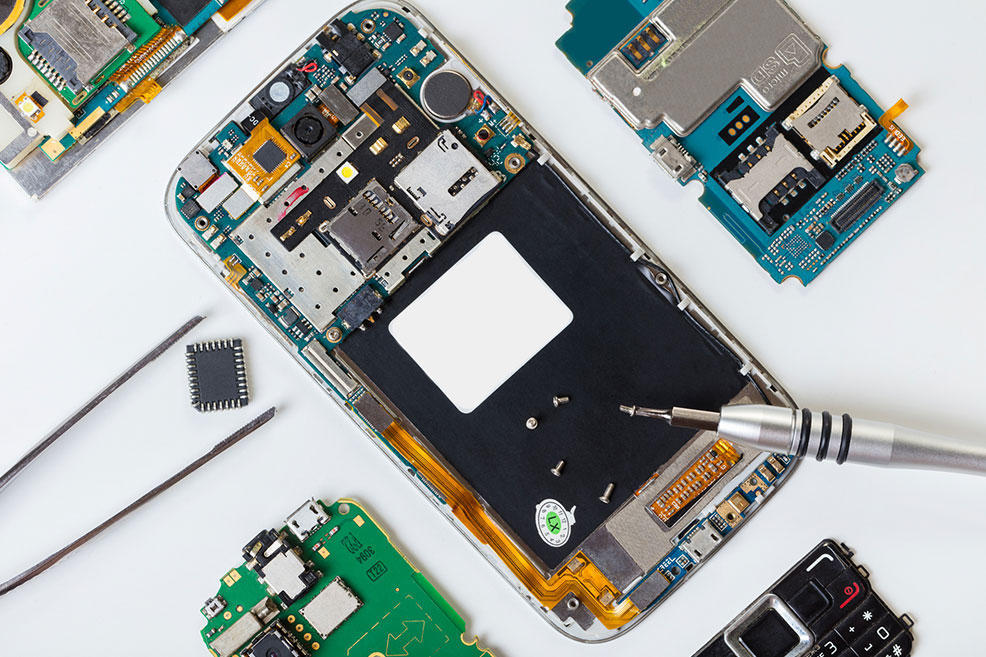
A handy DIY kit usually includes:
- Various Tools: Screwdrivers, pry tools, suction cups and more.
- Clear Instructions: Step-by-step guides to help you handle your specific phone model.
- Good Quality Parts: Parts from reliable brands that last well.
These help make your repair smoother and reduce the chances of problems.
Where to Source Trusted Repair Supplies Locally in Port Augusta?
If you’re in Port Augusta, local shops offer solid options for phone repair tools and parts. Bizup, for example, specialises in repairs for leading brands like Apple, Samsung and Google. Bizup provides a range of tools and quality parts that can support your repair projects. You can contact them at (08) 8641 1989.
What Safety Equipment Is Crucial for Successful DIY Phone Repairs?
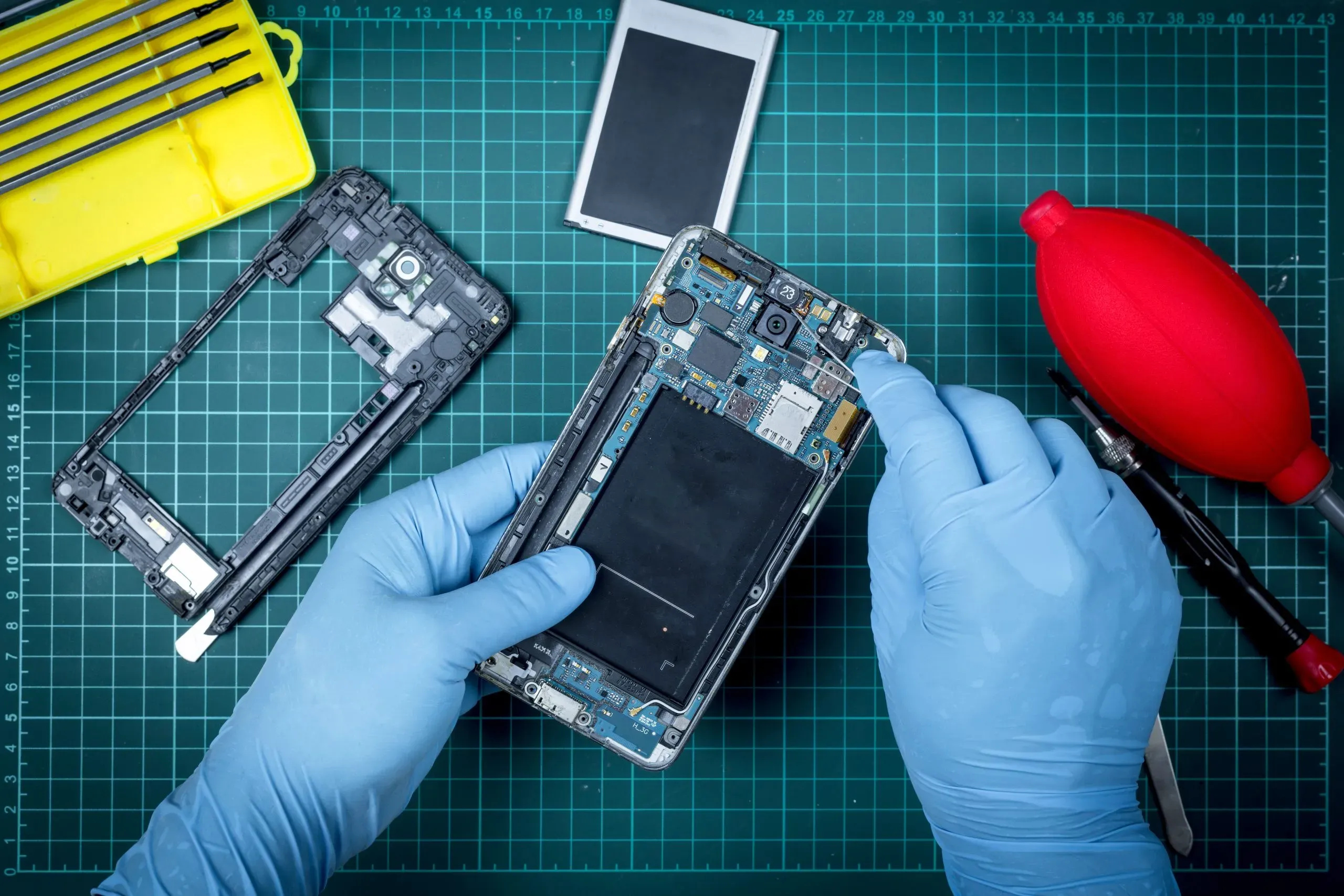
Safety should be a priority during phone repairs. Proper protective gear can help you avoid accidents and keep sensitive parts safe.
Why Use Anti-Static Wrist Straps and Protective Gear?
Anti-static wrist straps prevent electrostatic discharge that could harm your phone’s components. Protective eyewear is also wise to guard your eyes from small debris as you work, keeping your repair environment safer.
How to Maintain a Safe and Efficient Repair Workspace?
Organising your workspace makes the repair process easier. Try these tips:
- Keep It Tidy: An organised area helps you keep track of tiny screws and parts.
- Good Lighting: Bright light makes viewing small details easier.
- Store Tools Securely: Use containers so tools and screws don’t get lost.
Following these keeps your repairs safe and efficient.
Which Step-by-Step Repair Techniques Optimize the Use of Essential Tools?
Learning the right techniques can really boost your repair success.
How to Properly Disassemble and Reassemble Your Phone?
- Gather All Tools: Have everything ready before you start.
- Follow a Guide: Use a tutorial or manual designed for your phone model.
- Take Your Time: Work steadily, noting where screws and parts go.
Going slow and steady helps avoid damage and improves your chances of a successful DIY phone repair.
What Are Common Troubleshooting Tips When Using DIY Repair Equipment?
- Check Connections: After putting it back together, make sure all plugs and connectors fit properly.
- Look for Damage: See if anything was accidentally broken during the fix.
- Stick to Instructions: Following step-by-step guides reduces mistakes.
These tips not only help finish repairs well but also build up your repair skills for next time.